Scientific discoveries about therapeutic peat
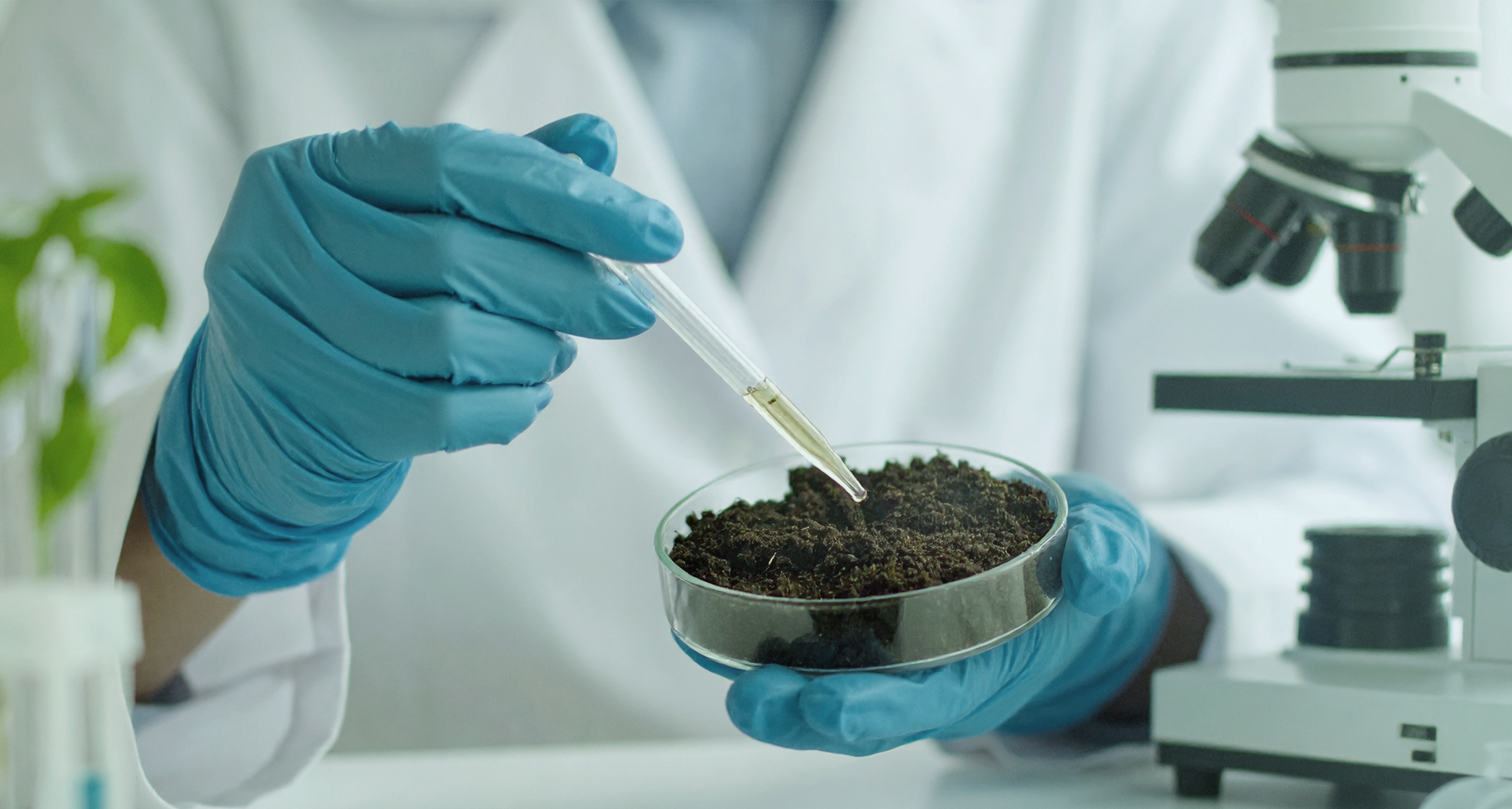
Therapeutic peat is not merely a legacy of folk medicine — its beneficial properties have been studied with modern scientific methods for decades. Numerous international scientists and research groups have confirmed that therapeutic peat, which contains humic and fulvic acids, has anti-inflammatory, antibacterial, restorative, and detoxifying effects on both the skin and the entire body.
M. Eberhardt, Journal of Traditional and Complementary Medicine, 2015
Researchers at the Medical University of Vienna have studied the effects of humic compounds in the context of chronic skin conditions such as psoriasis and atopic dermatitis, finding that peat-based preparations help reduce inflammation and skin irritation. Additionally, studies conducted at the Bad Elster Institute of Balneology in Germany confirm the effectiveness of peat compresses in relieving joint discomfort and muscle tension.
In 2014, Aesti filtered therapeutic peat was officially recognized as compliant with the European Union’s cosmetic safety requirements.
The formal assessment confirmed that Aesti therapeutic peat meets the highest standards of quality and safety. This natural raw material is beneficial, effective and safe for human skin.
International Journal of Molecular Sciences, 2018
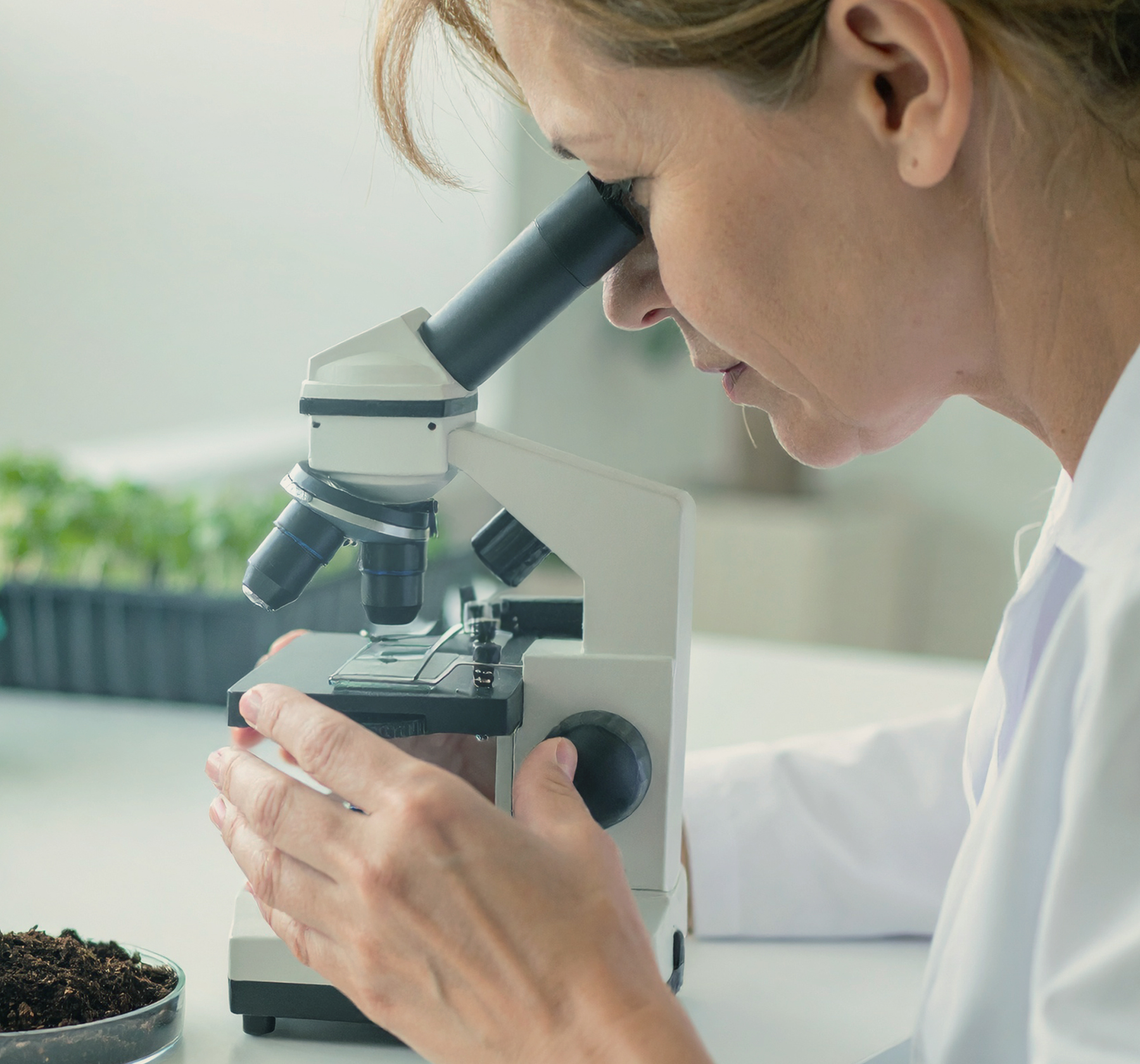
Fulvic acid — one of the most important compounds derived from peat — has also been the subject of scientific research. In 2018, the International Journal of Molecular Sciences published a review confirming fulvic acid’s ability to inhibit inflammatory cytokines, regulate oxidative stress, and improve cellular metabolism. Other studies published in the same journal have found that fulvic acid helps accelerate skin cell regeneration and enhances the absorption of minerals through the skin.
Products
Discover Aesti beauty products and find the most suitable natural care for your skin’s individual needs.
Discover our products